Dental Bonding Explained: How It Fixes Chips, Gaps & Stains
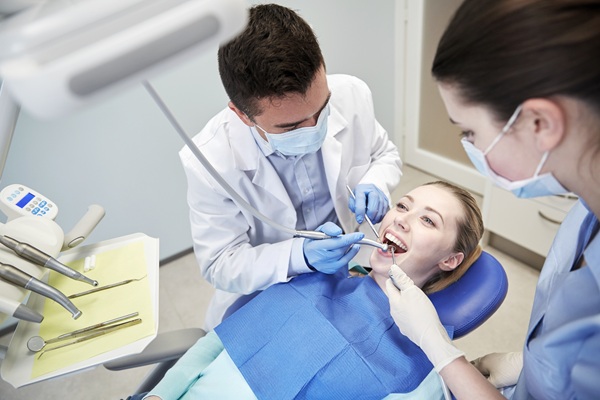
Dental bonding offers a quick, conservative way to repair chips, close small gaps, and lift stains without removing much natural enamel. It blends in with surrounding teeth for a natural look and comfortable feel. Because it uses tooth-colored resin, the dentist can shape, smooth, and polish it during a single visit in many cases. With proper care, results stay attractive while protecting the tooth from further wear and tear.
What is dental bonding?
Dental bonding uses a tooth-colored resin that adheres to enamel and dentin. The material contains tiny particles that reflect light, similar to natural tooth structure, which helps it match nearby teeth. A dentist selects the shade, applies the resin in layers, and shapes it to mimic natural contours. After curing with a special light, the surface is polished to a smooth shine.
What dental bonding can fix
More imperfections often respond well to this technique, especially when teeth remain healthy and strong. Bonding supports both function and appearance by enhancing the appearance of teeth and improving their alignment. Common uses include:
- Small chips or cracks that do not affect the nerve
- Short teeth or uneven edges that need gentle reshaping
- Narrow gaps, mild discoloration, and worn corners
What to ask during an initial consultation
Before undergoing the actual dental procedure, the patient must undergo a consultation. This is the time to ask any questions regarding the before, during, or after processes of dental bonding. Consider asking about shade matching, the number of teeth to treat for the most natural blend, and whether whitening should occur before bonding. Each patient should confirm the durability expected for their bite and request specific maintenance tips tailored to their habits. Photos and digital previews, when available, help set realistic expectations.
The ideal candidate for dental bonding
Good candidates want a durable, natural look without extensive drilling. A dentist confirms that gums are healthy and that bite forces will not overload the repaired areas. People who grind or clench may still qualify, but they may need a nightguard to protect the bonding from extra pressure. For deeper fractures, large cavities, or severe discoloration, other options such as veneers or crowns may be more suitable.
The dental bonding process
The dentist begins the procedure by cleaning and isolating the tooth. They then etch the surface of the tooth so the resin material adheres securely. Next, the dentist places the material, shaping it with small instruments, and cures it with a special light. Several layers may build strength and a lifelike shape. Finally, the dentist refines and polishes the entire tooth so that it feels smooth against the tongue and matches neighboring teeth.
Benefits of dental bonding compared to other options
Dental bonding preserves more natural enamel than many alternatives. It is typically more affordable than porcelain veneers or crowns and does not require a dental lab for most cases. Since adjustments are easy, the dentist can fine-tune edges or color during the visit. If a future change becomes necessary, bonding allows for straightforward repairs without having to start over.
How long do results last?
Lifespan depends on bite forces, home care, and diet. With smart habits, dental bonding can last several years and sometimes much longer. Resin materials resist everyday staining, but dark liquids like coffee, tea, and red wine may tint the surface over time. Polishing during checkups helps maintain a bright and smooth finish.
Care tips to protect bonding results
Daily choices make a big difference in appearance and longevity. Simple habits protect bonded areas and keep edges crisp:
- Brush twice daily with a soft brush
- Floss at least once a day, preferably at night
- Use a custom nightguard if grinding or clenching is present
- Schedule a six-month cleaning so a hygienist can gently polish the surface
When the dentist considers other options
Large breaks, heavy bite stress, or root canal needs may require stronger coverage. Teeth with significant misalignment might benefit from orthodontic treatment before cosmetic changes. In these cases, a dentist discusses options and explains why a dental veneer or crown could provide better support. The goal is to choose the most conservative solution that remains safe and predictable.
Schedule an appointment
Dental bonding delivers fast, natural-looking improvements for chips, gaps, stains, and uneven edges while preserving healthy enamel. It strikes a balance between beauty and function, adopting a conservative approach that suits many budgets and timelines. Have you damaged one or multiple teeth and want to learn if dental bonding is a suitable treatment option? Contact Ecladent Dental Studio and schedule an appointment.
Request an appointment here: https://www.ecladentdental.com or call Ecladent Dental Studio at (908) 988-4962 for an appointment in our New Providence office.
Check out what others are saying about our dental services on Yelp: Dental Bonding in New Providence, NJ.
Related Posts
A smile makeover can refine the look of teeth while supporting healthier function and easier daily hygiene for patients. A cosmetic dentist focuses on details such as color, shape, spacing, and balance to change how a smile looks during everyday conversation. This comprehensive approach begins with an evaluation of the oral health foundation and combines…
If you hide your teeth when you smile or laugh, a smile makeover can boost your self-esteem and improve your daily life. Many individuals struggle with their appearance due to minor dental issues. In turn, they may struggle with everyday social interactions and pursuing career opportunities. Fortunately, a confident smile can transform how you engage…
Dental implants are a reliable way to replace missing teeth. They can improve how you eat and speak, as well as enhance the appearance of your smile. Choosing the right implant dentist ensures a successful treatment outcome. Here are five essential questions for an implant dentist during your initial consultation.Choosing the right dentist for implants…
An implant dentist is a dental professional who specializes in dental implant care. They can help their patients understand how important it is to keep up with good oral hygiene to extend the longevity of their dental implants. Although implants are strong and not prone to decay, they still need regular care to avoid problems…